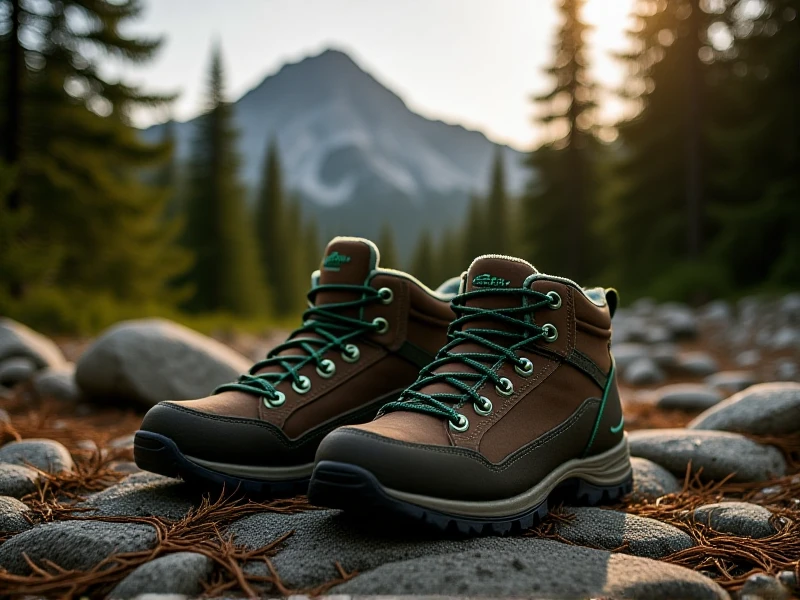
Choosing the Best Hiking Boots for Your Next Adventure
SEO Article for "Hiking Boots"
Hitting the trails for an outdoor adventure can transform a regular day into unforgettable memories, but it all starts with the right footwear. When I first started hiking years ago, I quickly learned that ordinary sneakers won't cut it on rugged terrain—especially if you're tackling muddy slopes or rocky paths. That's why investing in reliable hiking boots is essential. They provide the ankle support, grip, and durability needed to keep your feet comfortable and safe. If you're like me and love exploring national parks or local trails, upgrading to quality hiking boots can prevent blisters and fatigue, letting you focus on the stunning views. In this guide, I'll walk you through how to choose, use, and maintain the perfect pair. Whether you're a beginner or a seasoned trekker, finding the best hiking boots ensures you enjoy every step without worry.
When selecting hiking boots, consider the type of terrain you'll be covering. For light trails and day hikes, a pair of low-top or lightweight hiking boots is ideal—they're flexible and quick-drying, making them great for warm weather. If you're venturing onto uneven ground or carrying a backpack, mid-top hiking boots offer better ankle support and stability. For serious backpacking trips, like those mountain climbs I've done, heavy-duty or all-leather hiking boots provide maximum protection and waterproofing. Always try boots on with hiking socks to check the fit; they should feel snug but not tight, with room to wiggle your toes. Key features to look for include sturdy outsoles for traction, breathable uppers to prevent sweat buildup, and Gore-Tex lining for weather resistance. Brands like Merrell and Salomon deliver excellent options without breaking the bank.
Once you've found your ideal hiking boots, proper care extends their life and performance. After each trip, I clean mine with a soft brush and damp cloth to remove dirt. Air-drying them away from direct heat prevents material damage. For leather hiking boots, use a conditioner every few months to maintain softness and water repellency. Remember, even the best hiking boots need replacing when soles wear out, so inspect them regularly. Ready to gear up? Explore our top picks on our site and start planning your next adventure confidently.
398