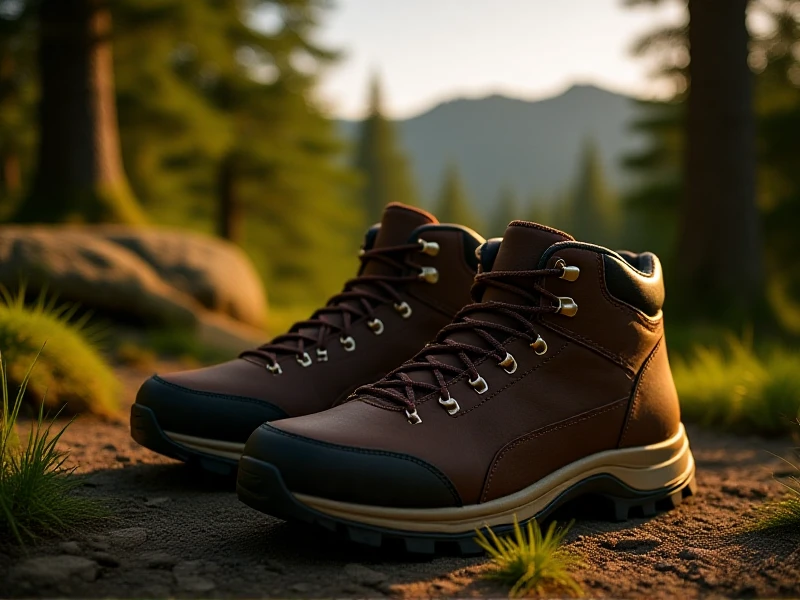
The Ultimate Guide to Choosing Your Perfect Pair of Hiking Boots
Finding the right hiking boots is crucial for comfort, safety, and enjoyment on the trail. Forget blisters and ankle rolls – investing time in selecting the correct pair pays off with every mile you conquer. This guide breaks down what you need to know to find boots that support your adventures.
Your journey starts by honestly assessing the terrain and intensity of your hikes. Lightweight trail runners may suffice for smooth, well-maintained paths. However, tackling rocky ascents, slippery mud, or carrying a multi-day backpack demands sturdy hiking boots, often called backpacking boots. These provide crucial ankle support, aggressive outsoles for grip, and the durability to withstand punishing trails.
Fit reigns supreme. Even the most technologically advanced hiking boot is worthless if it doesn't fit your foot perfectly. Key considerations:
- Pronounce "Toe Room": Wiggle room at the front is non-negotiable. Your toes should never touch the end, especially during downhill sections. Expect some "heel lift" when new, but never slippage or rubbing.
- Arch and Width Matter: Boots come in various widths. A secure midfoot fit prevents sliding and blisters. The arch support should align naturally with your foot's contour.
- Try with Hiking Socks: Always test boots wearing the specific thickness of merino wool or synthetic hiking socks you use on trail.
- Afternoon Feet: Feet swell during the day. Shop later to ensure your hiking boots accommodate natural expansion.
Key Technologies Worth Understanding:
- Waterproofing: Breathable membranes like GORE-TEX are essential for wet conditions, preventing moisture ingress while allowing sweat vapor to escape. Remember: "waterproof" doesn't mean submersible!
- Outsoles: Look for deep, multi-directional lugs made by Vibram® or similar quality rubber for superb traction on varied surfaces. Lug depth directly impacts grip on loose terrain.
- Midsole: EVA or PU foam cushioning absorbs shock. Firmer midsoles offer better stability on technical ground; softer provide cushioning on milder paths.
- Upper Materials: Full-grain leather offers superb durability and natural water resistance but is heavier. Split-grain leather combined with synthetic materials (like nylon) provides a lighter, more breathable option, though potentially less durable. Synthetic mesh uads offer maximum lightweight breathability for fastpacking.
Breaking Them In Is Mandatory: Never hit the trail with brand-new hiking boots! Wear them extensively at home and on short neighborhood walks. Gradually increase distance to allow the materials to mold to your feet and identify any potential hot spots before a big hike.
Protect Your Investment: Regular cleaning after muddy trips and periodic application of conditioner (appropriate for the material – silicone-free for leather uppers!) significantly extends the life of your boots. Store them in a cool, dry place away from direct heat.
Choosing the right hiking boots empowers you to explore further with confidence. Understand your needs, prioritize fit above all else, respect the break-in process, and maintain them well. Your feet (and your adventures) will thank you with every satisfying step into the wilderness. Ready to lace up?